
Article: Designing a Peony Garden: Bloom Time × Color
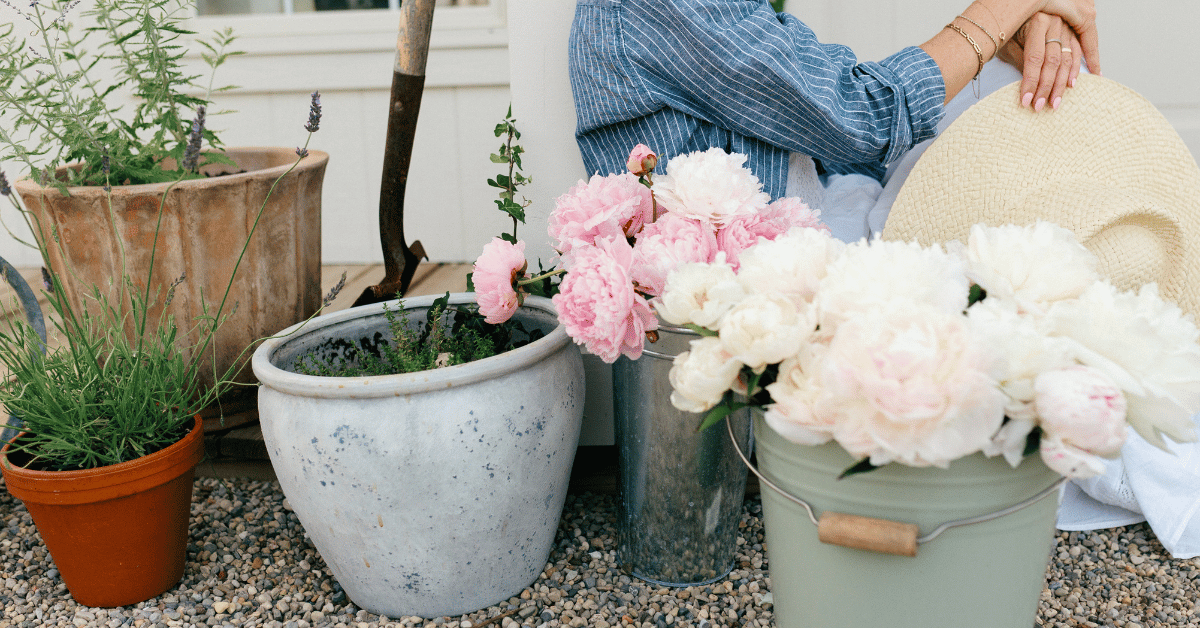
Designing a Peony Garden: Bloom Time × Color
A peony garden can be more than one spectacular week of flowers. With a little planning, you can create a garden where peonies are blooming for about 6 weeks and you get to enjoy a variety of colors. The key is to think about two things when choosing your varieties: bloom time and color.
And the best time to do that planning is before you buy your next peony root.
Start With the Garden You Already Have
If you already grow peonies, begin by taking inventory.
Write down the varieties you have and, if you know it, their approximate bloom time and color. You can research the variety to know whether it is considered an early, mid or late season peony. You may find the same peony variety listed as early by one grower and listed as mid season by another. Do not worry too much about it. If you want to go deep into the research you can check the data of the Bloom Date Project from the American Peony Sciety.
After reviewing what you have, you might discover that most of your peonies are mid-season varieties. Or perhaps you have a garden full of pinks and very few whites. Maybe you have plenty of early peonies but nothing to carry the garden into late spring.
These gaps are opportunities.
Instead of choosing your next peony simply because it is beautiful, which, admittedly, is a perfectly good reason, you can choose one that also brings something new to your garden.
Think About Bloom Time
One of the simplest ways to extend your peony season is to plant varieties with different bloom times.
Early-season peonies
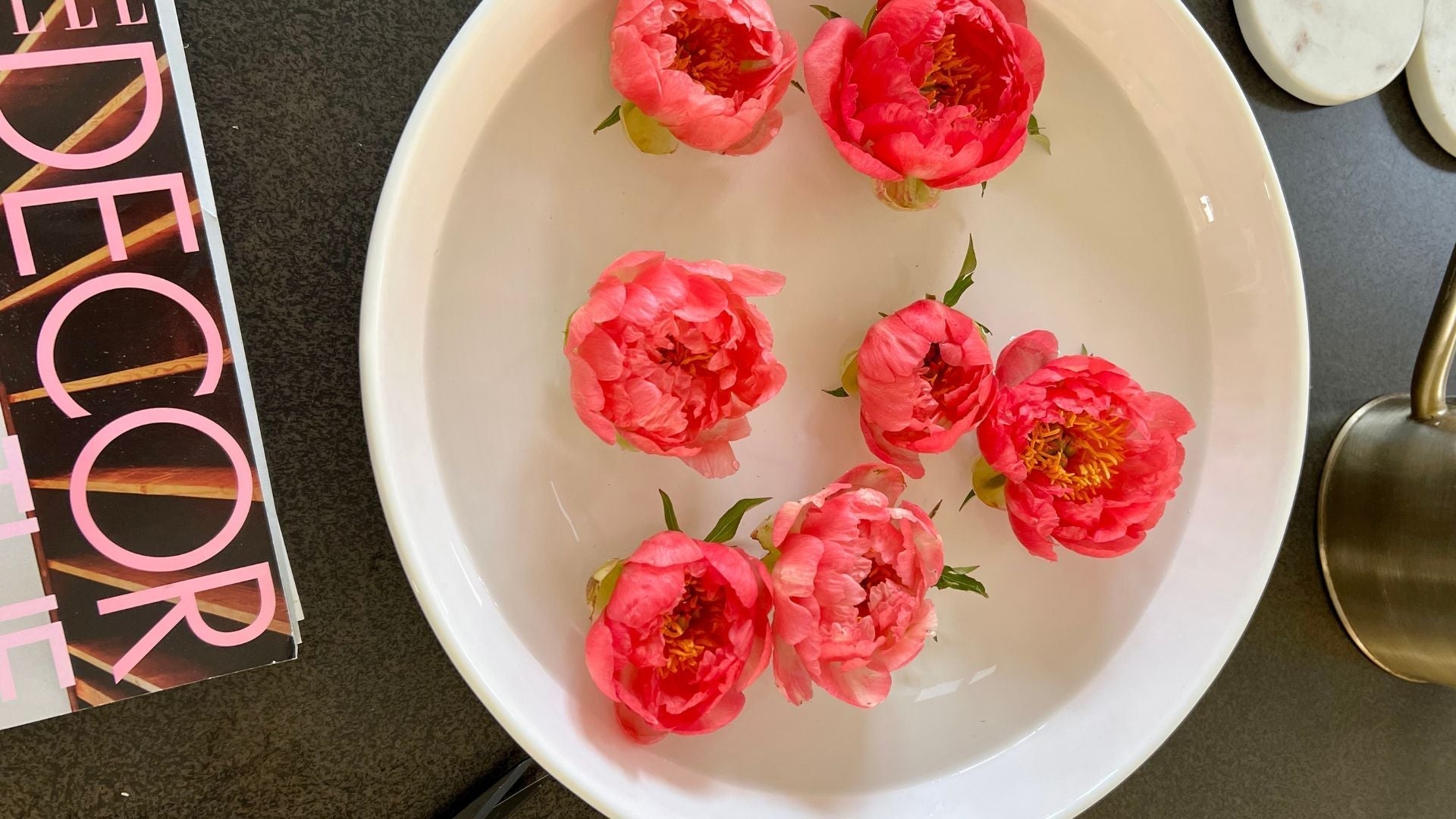
These are the varieties that get the season started. Most coral varieties are considered early season. I am in central Ohio, and I grow many coral varieties, the first one to bloom for me is Pink Hawaiian Coral.
Mid-season peonies
These are the next to bloom, about one to two weeks after the early varieties. Some good mid-season varieties are Festiva Maxima (white), Alexander Flemming (bright pink), and Monsieur Jules Elie (bright pink).
Late-season peonies
These are the last to bloom, starting about 3 to 4 weeks after the very early peonies. At our peony farm in Ohio, the latest peony to bloom is Sarah Bernhardt (light pink) and it is the one that produces the most number of blooms.
The exact timing will vary with your climate and the weather each spring, but combining early, mid, and late varieties can create a much longer succession of blooms.
And there is no reason not to have several varieties in the same bloom period. In fact, that overlap can be spectacular.
The goal isn't to make every peony bloom separately. It's to avoid having your entire garden bloom—and finish—at the same time.
Then Think About Color
Once you've considered bloom time, look at your color palette.
Do you want a garden filled with soft whites, blushes, and pinks? Maybe you love the contrast of white and deep pink. Or perhaps you want to add a few coral or red peonies for a little more drama.
There isn't a right answer. But thinking about color before planting helps create a garden that feels intentional rather than simply accumulated one root at a time.
Use my Peony Garden Planner
This is how I have planned our peony field of more than 2000 peony plants to extend our season and have plenty of color.
Take the varieties you already grow and place them into the chart below according to their approximate bloom time and color.
Then add the varieties you would like to grow.
As you fill it in, you'll start to see the story of your garden.

Recreate a table like this in a notebook and start by filling with what you already have. Then look at the empty spaces.
Where Are Your Gaps?
Now step back and look at your completed chart.
Do you have:
A good spread across the season?
If most of your varieties are concentrated in one bloom period, consider adding an early or late variety.
A color palette you love?
If your garden is mostly pink, perhaps a beautiful white, cream, coral, or deep pink would add something different.
Remember: You're Planting for the Future
A new peony root is an investment in a garden you haven't fully seen yet.
The first spring after planting may not look anything like the garden you've imagined. A young plant may produce no flowers at all, or perhaps just one or two. That's normal. Peonies take time to establish, and part of the joy of growing them is knowing that the garden you're planting today will become more beautiful with each passing year.
You don't have to create your entire dream garden in one season. You can add a few roots this fall, watch how they fit into the garden, and continue building your collection over time. Eventually, the roots you tucked into the ground almost as an act of faith become generous, mature plants that return every spring.

Leave a comment
This site is protected by hCaptcha and the hCaptcha Privacy Policy and Terms of Service apply.